A longer post today, please read.
SAVEM at the Deep Creek bushfire, 15 February, 2026
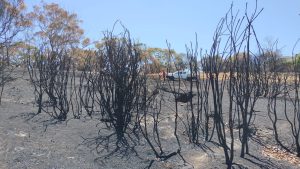
In common with all other wildlife-centric SAVEM responses, SAVEM work ramps up just as everyone else leaves. The Deep Creek fireground is no exception.
Staging shuts down, the Incident Support Vehicle moves on, no more wonderful Salvos catering. Gone is the frenetic activity and widespread camaraderie of the Staging ground. Gone is the daily meeting of new personnel from different emergency services and support agencies. SAVEM is used to this, but it is still strangely eerie and quite confronting. For others in the impacted community, they can be excused for wondering, what just happened here?
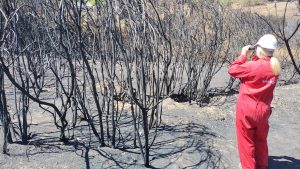
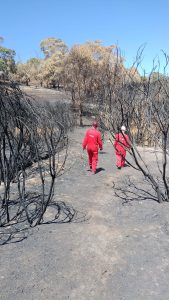
SAVEM is still out there in our badged Hilux vehicles, reds and photo ID, liaising every day with SAPOL, CFS, NPWS and so importantly, local people. Our teams will continue to find injured animals, some severely, during coming weeks. If animals have access to a water source, they can linger for a long time, gradually succumbing to their injuries. Yesterday we found a kangaroo who would have been burned very early in the timeline of the fire. His burns were horrific, fly blown and full of maggots. This is the reality of wildlife on a fireground. The fire is contained and then controlled, the media has new foci on other matters, but the impacted residents and the environment continue to need us. Seeing a SAVEM vehicle out there patrolling brings some comfort to the community.
It is erroneous to think wildlife run away and escape a fire. In SAVEM’s 17 years of operation, we know that is not the case. Such a statement may be reassuring to the public, but it is wrong. In a fire, visibility is often zero. People drive their cars into trees and into each other’s vehicles because they cannot see. Animals flee in the wrong direction, panicked, and run back into the fire. Fences trap animals and they die caught in a fence. Birds don’t just fly away – they have territory and often specific habitat. It was heartening to see how firefighting efforts did as much as they could to safeguard the habitats of the nationally endangered Mount Lofty Ranges Southern Emu Wren and the Beautiful Firetail.
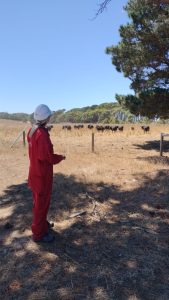
During firefighting efforts, animals are rarely seen. Routinely, the reports from the ground are no animal impacts seen. The “fireys” focus is on fighting the fire. Animals not killed in the firefront seek places of refuge for days or weeks, sometimes months. Typically, they begin to emerge at about Day 7. At the Deep Creek fire, one unburnt property on the edge of the fire scar has been the place of refuge for many animals in a succession of waves. The landowner is particularly observant, and has called a SAVEM team on multiple occasions as animals come to seek safety on his farm.
SAVEM’s formal Activation to fireground began on 8 February for two weeks. If on 22 February we continue to find animals in need we will request an extension to our activation. SAVEM has the skill, experience and capacity to safely and effectively deal with the truly awful impacts of bushfire on our beautiful native animals. Wildlife may not be owned in the same way domestic pets and livestock are owned, but they are frequently embraced by a community and by local residents who consider themselves local wildlife guardians. The concept of One Health, One Welfare – that the health and welfare of people, the environment and animals is intricately interconnected is very well demonstrated in a large bushfire event. The public, too, expect animals to be properly and professionally treated in an emergency incident. Wildlife welfare is important, as is the welfare of the people who live amongst, and cherish them.